Protein is the most fundamental ingredient for muscular growth. Animal protein has more building blocks for muscles, but plant protein is easier to digest. This article provides detailed information on protein sources, their role in bodybuilding, and how they should be consumed during the training phase. After reading, you will know how much protein you can absorb in one meal of bodybuilding to achieve the best results.
What Is Protein and Its Importance for Bodybuilding
It is a well-known fact: to maintain intact muscles, a satisfactory metabolism, and great health, one should consume a requisite amount of protein daily. This macronutrient is extremely important in your body since it assists hormones and enzymes in working, boosts the immune system, and provides energy at appropriate times. Bodybuilding protein aids in the increase and maintenance of muscle tissue.
What are the Benefits of Protein for Bodybuilding?
Protein has these advantages (that's why bodybuilders like it):
Muscle repair and growth. Redevelop muscles that are torn during weightlifting and all forms of strength training. In our online store, you'll find the best Deca Durabolin for sale to improve your strength.
Recovering. Athletes can work out more frequently and to a greater extent. Buy Trenbolone online for unmatched strength and cutting results.
Hormone production. Indispensable to the synthesis of such hormones as testosterone and growth hormone, which have a major influence on muscles’ growth and performance. Buy effective Testosterone Enanthate for consistent, long-lasting performance improvements.
Improved metabolism. The advantage of increasing metabolic rate is that it assists in burning body-fattening foods and helps maintain muscular tissues.
Satiety and weight control. High-protein diets help one control appetite and be fuller, enabling one to stick to a healthy weight.
Fast vs. Slow Proteins
What's the difference between fast and slow-acting proteins? Let's see how they help you grow and recover muscle:
Fast proteins. Fast in being digested and assimilated into the body and perfect for the post-training intake. For example, whey protein helps quickly restore the muscles and their growth.
Slow proteins. An example of a slow protein is casein, which is mainly present in most dairy products. Proteins are broken down into amino acids, which take a comparatively long time to be absorbed into the bloodstream. Therefore, they should be taken before going to bed so that amino acids are constantly supplied.
Protein Intake for Maintenance
A well-balanced protein intake is necessary to maintain muscular mass. Athletes strive to consume 0.8 g/kg of body weight per day. This dose promotes muscle repair and maintenance without significantly increasing muscle mass or fat loss. Consuming high-quality protein sources throughout the day provides your body with a balanced supply of amino acids, avoiding muscle breakdown and improving overall health.
Protein Intake for Cutting
If the primary goal is to reduce body fat while maintaining muscle mass to the greatest extent possible, protein consumption is increased due to the body's calorie deficit. Understand how much protein for bodybuilding is required, with a daily intake of 1.2 g / kg of body weight. A high-protein diet promotes satiety. Using polypeptides from lean sources like chicken, fish, and plants can help you limit your calorie intake.
Protein Intake for Bulking
Bulking is a strategy in which sportsmen try to gain weight by eating more calories than they consume in a day to build muscle mass. It has a carbohydrate and protein composition. Drinking about 1.5 g / kg of body weight is recommended to help build muscle.
During mass gain, eating protein-rich foods provides muscles with the nutrients they need for hypertrophy. In this way, you will benefit from a range of proteins and other nutrients required for proper muscle building in the body.
Best Protein Sources for Bodybuilding
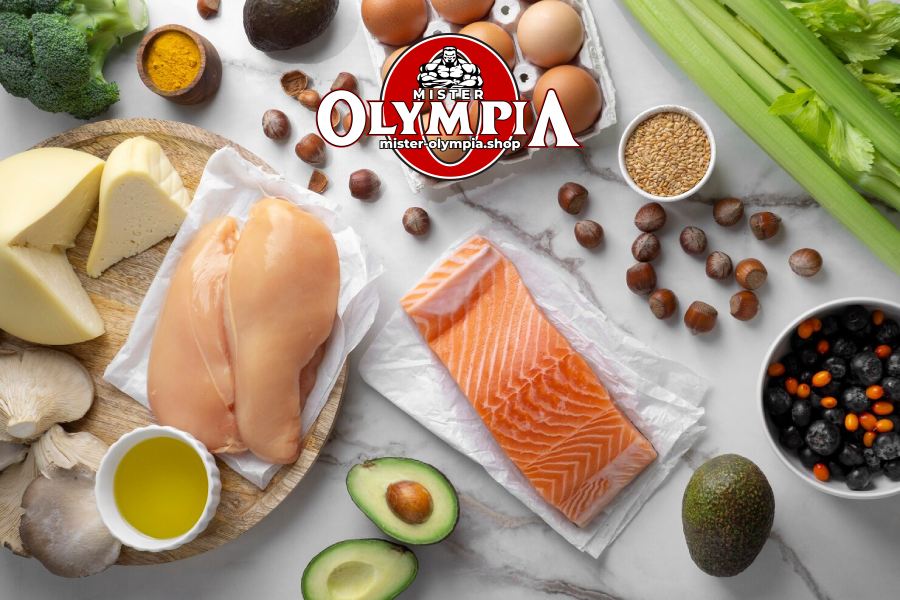
Proteins are made of 20 amino acids. Eight of these are fundamental, meaning the body can't make them. Let's find the best protein for bodybuilding:
Meats
Protein Source
Protein Content (per 100g)
Additional Benefits
Chicken Breast
31g
Low in fat, high in B vitamins
Turkey Breast
29g
Low in fat, rich in selenium
Lean Beef
26g
High in iron and B12
Salmon
25g
High in omega-3 fatty acids
Tuna
29g
Low in fat, rich in omega-3s
Shrimp
24g
Low in calories, high in selenium
Bodybuilding high protein vegetables
Protein Source
Protein Content (per 100g)
Additional Benefits
Spinach
3g
High in iron and antioxidants
Broccoli
3g
High in fiber and vitamins C and K
Kale
4g
High in vitamins A, K, and C
Brussels Sprouts
4g
High in vitamins C and K
Asparagus
2g
High in folate and vitamins A, C, and K
Artichokes
3g
High in fiber and antioxidants
Fruits
Protein Source
Protein Content (per 100g)
Additional Benefits
Guava
2.6g
High in vitamin C and fiber
Avocado
2g
High in healthy fats and fiber
Blackberries
2g
High in vitamins C and K
Oranges
1.2g
High in vitamin C and fiber
Kiwi
1.1g
High in vitamins C and E
High protein snacks for bodybuilding
Protein Source
Protein Content (per 100g)
Additional Benefits
Greek Yogurt
10g
Contains probiotics for gut health
Cottage Cheese
11g
High in casein, a slow-digesting protein
Almonds
21g
High in healthy fats and vitamin E
Pumpkin Seeds
19g
High in magnesium and antioxidants
Peanut Butter
25g
High in healthy fats and vitamins B and E
Protein Bars
20g (varies)
Convenient, often fortified with vitamins
How to Use Protein to Reach Your Bodybuilding Goals
Protein has necessary roles for the human body’s maintenance and function for both sexes:
balances testosterone levels in the male body to keep men healthy and fit;
helps to maintain bone density, particularly in postmenopausal women.
Consume both animal and plant proteins to get all the amino acids your body requires. It will benefit your health status and your quality of life. Powder supplements can be helpful to those who engage in a lot of physical activity or have low-protein diets.
FAQ
How much protein do I need?
The protein intake depends on the person's body weight, the target to be achieved, and the individual's activity level. Included the consumption of protein in a dose of 1 g / kg of body weight. During cutting, increase it to 1.2 g / kg, and for bulking, aim for 1.5 g / kg. Individual needs can be different. It is necessary to act according to the situation and pay attention to the body's reactions.
Why is protein important for building muscle?
It brings the amino acids needed to repair and construct the muscle tissues. Depending on the specifics of your exercise regimen, your body just won’t be able to rebuild its muscles with protein intakes below a certain level. Development is usually slowed down when it is absent, and healing is delayed. Protein is involved in other vital functions of the body’s activities, such as hormone secretion and immune response to disease, which is essential for health and performance.
How much protein is too much?
Taking it too much can be excessive and, at times, dangerous. To the majority of consumers, intakes greater than 2 g/ kg of body weight are considered over the top and do not offer any extra muscle gain benefits. In addition, the consumption of protein is best taken in moderate portions as anything in excess is hard on the kidneys and may cause digestive complications. Other macronutrients should be included in the daily ration, and a doctor should be consulted if any issue is noticed.
What are the risks of not getting enough protein?
Taking inadequate protein means you will experience adverse effects. Your immune system will be weak, and you will take a longer period to recover from workouts. This will affect your body-building progress, cause acclimates to injuries, and unfavorably affect your general health. Some of the signs of low-protein diets are weakness, hair loss, and poor concentration. Protein must be taken in requisite portions.
Does age impact how much protein you may need?
Protein requirements can vary depending on age. Age-related problems such as impaired protein digestion and muscle wasting or sarcopenia — older adults may need slightly more protein to maintain muscle structure. The general guidelines suggest aiming for 1.2 g / kg of body weight to ensure proper muscle function and other important processes in the body.
Related Posts in Blog
Do Steroids Make You Thirsty? Causes, Effects, and Management Read more
Are Peptides Considered Steroids? The Ultimate Guide to Differences, Safety, and Legality Read more
How to Restore Natural Testosterone After a Steroid Cycle? Read more
What Is Nolvadex and How Does It Work in PCT? Read more
How to Use Clenbuterol in a Cutting Cycle? Read more
What Are the Best Fat Burning Steroids for Cutting? Read more
Product list
YOUR CART
No products in the cart.
×
Get $15 off your next order!
Enter your email to receive the discount code.
MisterOlympia Shop Support
Business Hours: Mon–Fri: 03:30 – 20:00 Sat–Sun: 03:30 – 12:00
Business Hours:
Mon–Fri: 03:30 – 20:00
Sat–Sun: 03:30 – 12:00