Many athletes and physically active users eventually face recovery-related challenges that slow down training consistency. Tendon discomfort, joint stress, muscle strain, and digestive-system concerns are often discussed in performance and wellness environments when users look for additional recovery-support options.
That is why BPC 157 peptide products are commonly mentioned in recovery-focused bodybuilding and sports-performance discussions. BPC 157 25MG ZPHC is usually associated with tissue-repair research, joint and tendon support discussions, gut-health interest, and recovery-focused physique planning.
This product is not an anabolic steroid and should not be described as a direct muscle-building compound. BPC 157 25MG ZPHC is more closely connected with peptide research and experimental recovery-related discussions, which means it should be approached carefully and with proper medical awareness.
What Is BPC 157 25MG ZPHC?
Before reviewing BPC 157 25MG ZPHC, it is important to understand what this product is and how it is usually described. BPC-157 is a synthetic peptide commonly discussed in relation to tissue repair, inflammation response, tendon recovery, ligament support, and gastrointestinal protection research.
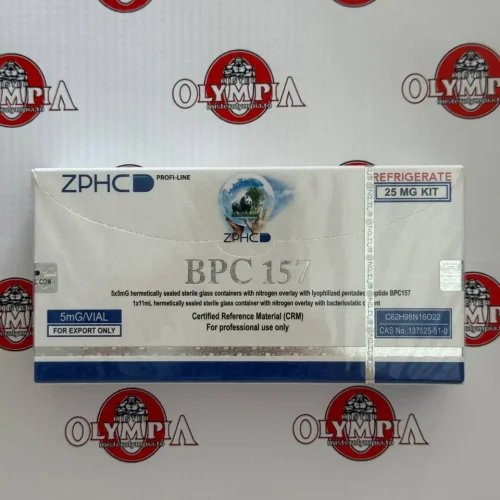
BPC 157 25MG ZPHC is commonly presented as a ZPHC peptide product with a total content of 25 mg. Product listings usually describe it as multiple small vials rather than a single large vial, placing it in the research peptide and recovery-support category.
In bodybuilding and sports-performance communities, BPC-157 is often discussed by users who are focused on recovery, joint comfort, soft-tissue support, and training continuity. However, much of the interest around this peptide is based on experimental research, animal data, and anecdotal reports rather than fully established human clinical use.
Because BPC-157 is not a standard FDA-approved medicine for human recovery, injury repair, or athletic performance, it should not be treated like a simple supplement. Professional medical guidance is strongly recommended before considering any peptide-based product.
Potential Benefits of BPC 157 25MG ZPHC
Since BPC 157 25MG ZPHC is associated with BPC-157 peptide research, users usually discuss it in relation to recovery, tissue support, and inflammation-related concerns. In performance environments, this type of product is often mentioned when the goal is to maintain training consistency while managing physical stress.
Some users may be interested in BPC-157 because it is commonly connected with tendon, ligament, muscle, and gut-related research discussions. Others may compare it with other recovery-focused peptides when looking at different non-steroid performance-support categories.
Here are some commonly discussed potential benefits:
- Commonly discussed for recovery-focused planning.
- Associated with tendon and ligament support research.
- Often mentioned in joint-comfort discussions.
- Connected with gastrointestinal protection research.
- Not an anabolic steroid or testosterone-based compound.
- Peptide format for advanced recovery-related discussions.
Another reason why users may pay attention to BPC 157 25MG ZPHC is its 25 mg kit-style presentation. For users comparing peptide products, this format may seem straightforward, but product format does not remove the uncertainty around safety, quality, and human-use evidence.
Possible Side Effects of BPC 157 25MG ZPHC
When considering BPC 157 25MG ZPHC, it is important to understand that BPC-157 is not as clinically established as approved prescription medicines. This means the full safety profile, long-term risks, and interaction potential are not fully understood.
Some users may report injection-site discomfort, redness, swelling, irritation, headache, fatigue, nausea, appetite changes, dizziness, or general discomfort. Because peptide products may come from non-standardized sources, quality, sterility, purity, and labeling accuracy are also important concerns.
More serious concerns may involve unknown long-term effects, possible interactions with medications, unexpected immune reactions, contamination risk, and uncertainty for people with cancer history, active inflammatory disease, autoimmune conditions, gastrointestinal disorders, pregnancy considerations, or complex medical histories.
BPC 157 25MG ZPHC should not be treated as a casual recovery shortcut. A qualified medical professional should be consulted before considering any product of this type, especially when injuries, chronic pain, gastrointestinal disease, prescription medication use, or competitive sport regulations are involved.
Appropriate Use Cases for BPC 157 25MG ZPHC
Wondering whether BPC 157 25MG ZPHC fits a specific goal? This product is most commonly discussed among advanced users who are focused on recovery support, tissue-repair research, joint-comfort planning, and training consistency.
BPC 157 25MG ZPHC may be associated with phases where the main concern is not rapid muscle gain, but recovery management and support for physical resilience. It is generally not positioned as a bulking product, cutting compound, anabolic steroid, strength drug, or beginner-friendly supplement.
This product may also appeal to users comparing recovery-focused peptides with other non-steroid support products. However, because BPC-157 remains a research-oriented peptide with unresolved regulatory and safety questions, it should be approached with caution.
The suitability of BPC 157 25MG ZPHC depends on personal goals, medical history, injury status, current medications, sport-testing rules, product quality, and the broader plan being followed. Professional medical supervision is strongly recommended before considering any BPC-157-based product.