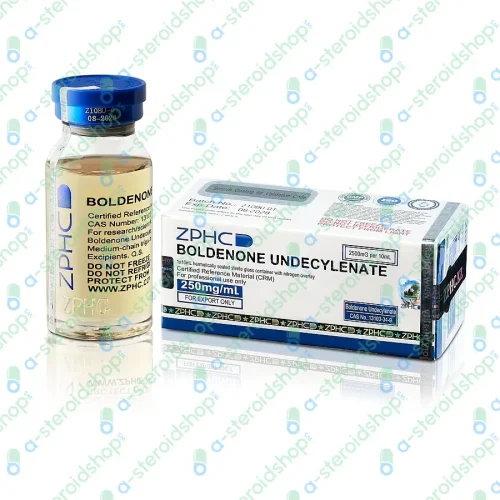
Tirzepatide 50 mg ZPHC
When calorie restriction becomes harder to maintain, appetite signals often increase despite stable nutrition planning. Hunger cycles intensify. Energy balance becomes less predictable. Tirzepatide 50 mg ZPHC is typically introduced in that phase.
It is not positioned as a short-term fat loss solution. Tirzepatide is used within structured weight management protocols where appetite control and metabolic support require long-term consistency.
What Is Tirzepatide
Tirzepatide is a dual-action peptide that interacts with GLP-1 and GIP receptors involved in metabolic regulation.
Because of this mechanism, it is commonly referenced in weight loss and glucose control contexts. Compared to single-pathway compounds, tirzepatide is associated with broader metabolic influence.
ZPHC tirzepatide 50 mg represents a higher-dose format used in extended protocols rather than short-term cycles.
How Tirzepatide Works
Tirzepatide influences appetite regulation, insulin response, and gastric emptying.
It is associated with reduced hunger signals and improved satiety. In addition, it is discussed in relation to metabolic efficiency, especially during prolonged calorie restriction.
The dual-receptor activity differentiates tirzepatide from compounds that target only GLP-1 pathways.
Tirzepatide for Weight Loss
Tirzepatide is typically introduced when standard weight loss strategies become less effective.
It is used to:
- support appetite control
- assist with calorie adherence
- contribute to sustained fat loss over time
It does not replace dietary structure or physical activity but is used as part of a broader weight management plan.
Tirzepatide vs Semaglutide
Tirzepatide differs from semaglutide by acting on both GLP-1 and GIP receptors.
Semaglutide primarily targets GLP-1 pathways, while tirzepatide provides a dual mechanism.
This difference is associated with:
- broader appetite regulation
- potential variation in metabolic response
- differences in weight loss dynamics
Individual outcomes vary depending on protocol and response.
Tirzepatide vs Retatrutide
Retatrutide extends beyond tirzepatide by adding glucagon receptor activity.
While tirzepatide focuses on GLP-1 and GIP, retatrutide introduces a third pathway, which is associated with additional metabolic effects.
Tirzepatide is often positioned as:
- more established in structured protocols
- predictable in appetite regulation
Retatrutide is typically referenced as a newer, multi-pathway compound.
Key Benefits
- Appetite control during calorie restriction
- Support for long-term weight management
- Dual-pathway metabolic activity
- Contribution to stable energy balance
- Use within structured fat loss protocols
Possible Side Effects
Gastrointestinal effects may occur, particularly during the initial phase.
These may include:
- nausea
- reduced appetite
- digestive discomfort
In some cases, fatigue or adaptation-related symptoms may appear.
Effects vary depending on dosage, diet, and individual response.
Who Should Avoid Using It
Tirzepatide 50 mg ZPHC is not intended for unsupervised use.
Avoid use in the following cases:
- pregnancy or breastfeeding
- uncontrolled endocrine disorders
- severe gastrointestinal conditions
- ongoing medical treatments without supervision
Medical consultation is required before starting peptide-based metabolic protocols.
Verify at: https://zphc.com