Struggling to increase muscle mass despite hours in the gym? It might come down to a lack of hypertrophy response. Muscle hypertrophy refers to the increase in muscle fiber size that results from proper strength training techniques and progressive overload.
It’s the foundation of muscle growth, whether you're chasing performance or aesthetics. In this guide, we’ll break down how muscle hypertrophy occurs, the science behind muscle cell adaptation, and how to maximize muscle hypertrophy through smart programming.
What is Muscular Hypertrophy?
Muscular hypertrophy refers to an increase in the size and volume of skeletal muscle fibers, typically as a result of resistance training. This process is driven by muscle protein synthesis, which occurs when the body repairs micro-damage to muscle tissue caused by heavy or repetitive loading. Over time, this adaptation leads to greater muscle mass and strength.
There are two main types of muscle fiber hypertrophy:
Myofibrillar hypertrophy, which focuses on increasing muscular strength through denser, stronger fibers
Sarcoplasmic hypertrophy, which expands muscle volume by increasing muscle glycogen storage and fluid in the muscle cells
While hypertrophy is typically induced by resistance training, factors such as training variables, nutrition, and recovery heavily influence outcomes.
Benefits of Hypertrophy Training
Increase in Muscle Size and Strength: through consistent strength and hypertrophy training, athletes see significant gains in muscle mass, improved muscle cross-sectional area, and better performance.
Improved Physique and Aesthetics: a leaner body with visible muscle definition is often a direct result of hypertrophy-focused workouts, especially when paired with proper nutrition.
Long-Term Health Benefits: higher skeletal muscle mass is associated with reduced risk of cardiovascular disease, improved metabolism, and better overall health, particularly in aging individuals.
Potential Risks and Considerations
Despite the benefits, training on muscle hypertrophy can carry certain risks:
Fatigue and Overtraining: high training frequency without adequate recovery can lead to muscle damage, tendon strain, or injury.
Delayed Recovery: the intense physical demand can extend muscle cell recovery time, especially with excessive volume or poor programming.
Overuse Injuries: chronic overload may result in conditions like tendinosis, joint strain, or skeletal muscle fiber injury if not properly managed.
Some athletes turn to anabolic aids or injectable steroids to promote muscle growth and support recovery. However, this should only be considered with medical oversight, as improper use can disrupt the regulation of muscle growth and pose health risks.
Proven Tactics for Building Muscle Mass
It's no secret that the main way to build muscle mass is through heavy exercise. Your goal is to moderately damage your existing muscles to speed up their recovery and growth. Some people pay thousands of dollars to personal coaches to help them reach their fitness targets. We've compiled the best strategies that professionals use to build muscle tissue.
Progressive overload The human body's feature is that it can adapt to different factors, so you should use progressive overload in your hypertrophy training. This strategy is all about straining your muscles by the concept that the body will adjust to the amount of pressure exerted on it. To make sure you are applying this particular principle, gradually raise the intensity of the weights, number of reps, or sets in a particular workout.
Choosing the right diet Obviously, many other factors, including nutrition, are important for normal muscle growth. Even the most rigorous of exercise sessions will fail to produce the much-needed outcome in the absence of nutrients. Concentrate on eating enough quality foods with proteins, complex carbohydrates, and fats preferred.
The role of steroid drugs As mentioned above, athletes often take courses of anabolic steroids to boost strength and muscle mass. This method really works well. However, you have to combine them with training, proper nutrition, and recovery.
What Does Muscle Hypertrophy Stimulate?
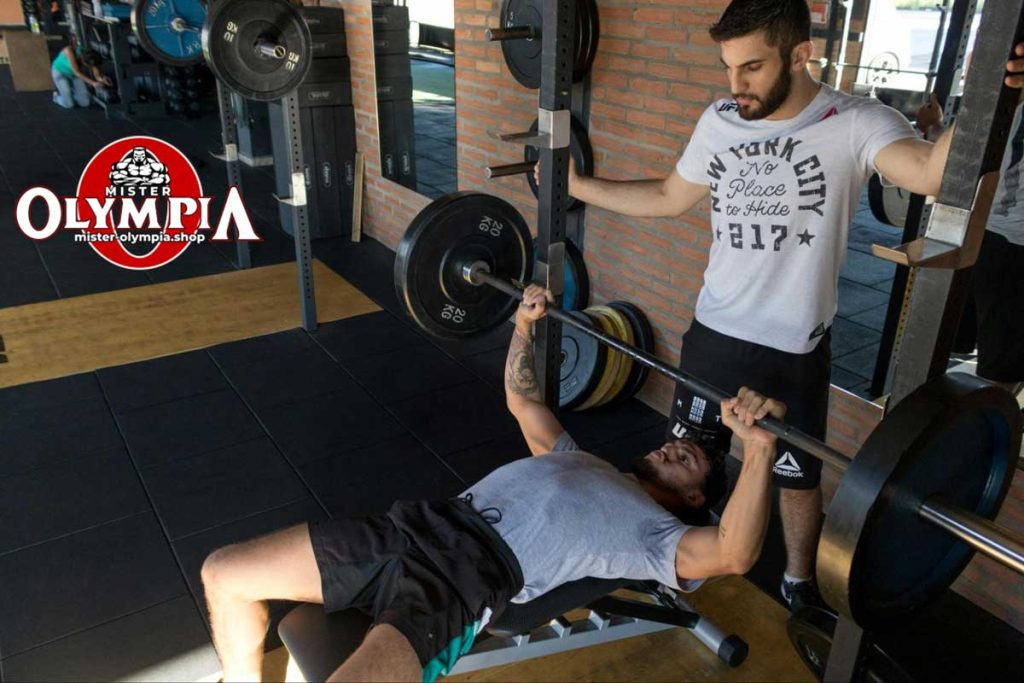
Besides the question «what is muscle hypertrophy», beginner athletes also often wonder how it works. It is no secret that the human body is a complex system where most elements interact with each other. As surprising as it may be, the process of hypertrophy begins with stress and injury to the muscle tissue. Your muscles are literally torn at the cellular level by physical exertion, such as lifting dumbbells.
The body quickly realizes that one of the elements has been injured and needs help. That's why it accelerates the production of proteins that are important for muscle growth. All these factors contribute to cell regeneration and cell enlargement.
Optimal Training Frequency for Muscle Hypertrophy
Certainly, one of the most popular questions we hear from beginners is, «how many workouts will I need per week to hypertrophy my muscles»? This is quite a difficult question, as a lot depends on your level of training, experience, and ultimate objectives.
Scientists have conducted research to understand the optimal training frequency for hypertrophy. They found that, on average, people need two full workouts per week. Typically, many athletes go to the gym three times a week, each time focusing on a different muscle group.
Muscle Strength vs Hypertrophy Comparison
Most newbies think that muscle strength and size grow proportionally through regular visits to the gym. However, this is not the case at all. Simply speaking, hypertrophy and strength-oriented training are two different approaches.
The most significant difference is the number of sets, reps, and weight of the loads. For training for muscle hypertrophy, it is common to do no more than 5 sets of 10-12 repetitions. In turn, muscle enlargement does not need a large number of repetitions. Such athletes are usually limited to 2-5 repetitions. However, there are still similarities between these approaches. When you train for hypertrophy, your muscles, in any case get a slight increase in strength and on the contrary.
To make it clearer to you how muscle strength and hypertrophy differ, look at powerlifters and bodybuilders. Both of them regularly attend the gym and lift heavy weights. However, powerlifters focus on fewer reps and boundary weights. This allows them to increase their strength performance. For bodybuilders, muscle growth is important, so they use more number of workouts for hypertrophy.
Useful Tips to ImproveYour Results
We have already talked above about proven strategies that help you build your workouts with a focus on hypertrophy. However, will this be enough to maximize the effects? Leading athletes utilize all methods that maximize training performance by adhering to these principles:
Proper technique is the key to success. The technique lies at the center of all exercise routines and must be conducted correctly. Otherwise, there is no sense to train at all. In the context of muscle mass, it is not simply a question of how many reps and sets all are achieved. This is about your movements, the quality of your movements, and the effectiveness of your movements matter.
Plan your workouts in advance. It helps to think of your workout plan as the road map to getting to where you want to be within muscular hypertrophy. Therefore, you must plan your training schedule in advance, depending on the long-term goals.
Don't forget about correct recovery. Muscle hypertrophy requires an ample amount of rest and recovery so that muscles have time to infill the created micro-tears. You should also get a good night's sleep so that your body has time to recover from exertion.
You must realize that you will only be able to achieve significant muscle growth if you follow all the main principles of hypertrophy training.
Final Thoughts
Hypertrophy is what many people describe as an increase in muscle mass. Undoubtedly, this is the effect that many athletes from all over the world want to achieve. Therefore, you must have a clear strategy and follow every point of your plan. This should cover proper exercise technique, optimal number of repetitions, healthy diet, and recovery process.
Related Posts in Blog
Do Steroids Make You Thirsty? Causes, Effects, and Management Read more
Are Peptides Considered Steroids? The Ultimate Guide to Differences, Safety, and Legality Read more
How to Restore Natural Testosterone After a Steroid Cycle? Read more
What Is Nolvadex and How Does It Work in PCT? Read more
How to Use Clenbuterol in a Cutting Cycle? Read more
What Are the Best Fat Burning Steroids for Cutting? Read more
Product list
YOUR CART
No products in the cart.
×
Get $15 off your next order!
Enter your email to receive the discount code.
MisterOlympia Shop Support
Business Hours: Mon–Fri: 03:30 – 20:00 Sat–Sun: 03:30 – 12:00
Business Hours:
Mon–Fri: 03:30 – 20:00
Sat–Sun: 03:30 – 12:00